Blog
Click here to read regenerative news stories from around the web.

 https://regenerationinternational.org/wp-content/uploads/ed.webp
752
1313
paco
https://regenerationinternational.org/wp-content/uploads/2018/10/RI-Logo-New.png
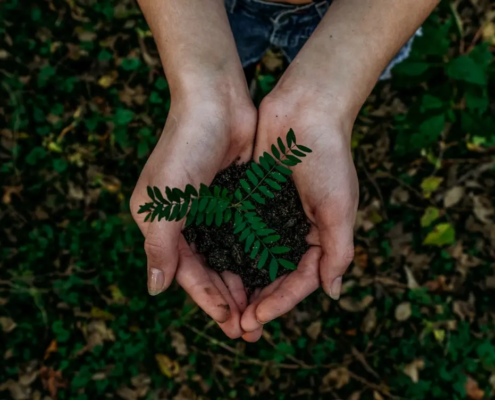
paco2024-04-18 14:03:552024-04-18 14:04:23Earth Day – Regenerating the Earth, Regenerating Our Health
https://regenerationinternational.org/wp-content/uploads/ed.webp
752
1313
paco
https://regenerationinternational.org/wp-content/uploads/2018/10/RI-Logo-New.png
paco2024-04-18 14:03:552024-04-18 14:04:23Earth Day – Regenerating the Earth, Regenerating Our Health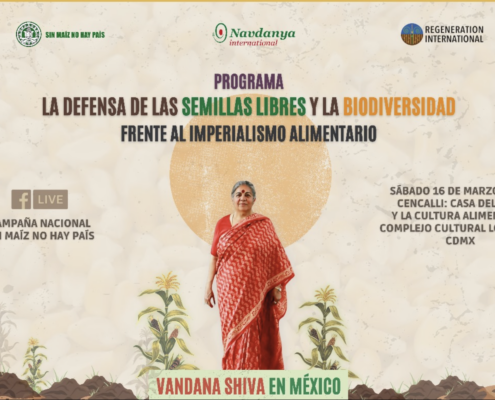 https://regenerationinternational.org/wp-content/uploads/image2.png
966
1548
Regeneration International
https://regenerationinternational.org/wp-content/uploads/2018/10/RI-Logo-New.png
Regeneration International2024-04-02 13:41:322024-04-02 14:08:13Dr. Vandana Shiva and Regeneration International Support Mexico
https://regenerationinternational.org/wp-content/uploads/image2.png
966
1548
Regeneration International
https://regenerationinternational.org/wp-content/uploads/2018/10/RI-Logo-New.png
Regeneration International2024-04-02 13:41:322024-04-02 14:08:13Dr. Vandana Shiva and Regeneration International Support Mexico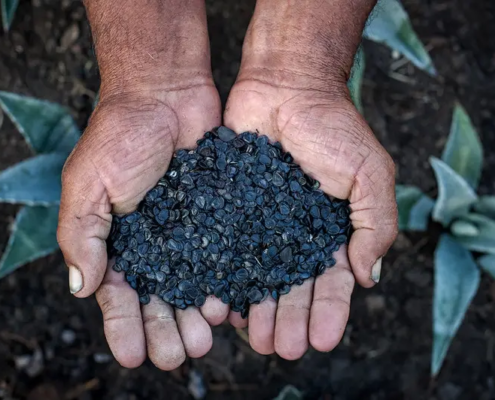 https://regenerationinternational.org/wp-content/uploads/VONL0-1.webp
532
799
paco
https://regenerationinternational.org/wp-content/uploads/2018/10/RI-Logo-New.png
paco2024-03-01 13:55:582024-03-01 13:55:58Monthly Newsletter – Vía Orgánica
https://regenerationinternational.org/wp-content/uploads/VONL0-1.webp
532
799
paco
https://regenerationinternational.org/wp-content/uploads/2018/10/RI-Logo-New.png
paco2024-03-01 13:55:582024-03-01 13:55:58Monthly Newsletter – Vía Orgánica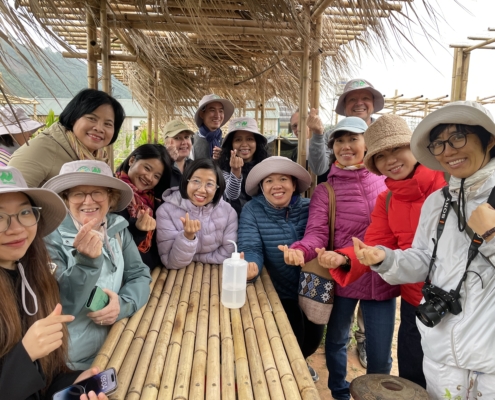 https://regenerationinternational.org/wp-content/uploads/0B061AD6-0DD2-4C44-B38C-4D62FCB9639F-scaled.jpeg
1920
2560
paco
https://regenerationinternational.org/wp-content/uploads/2018/10/RI-Logo-New.png
paco2024-02-16 08:00:392024-02-15 23:56:58Mekong Organics Invites Regeneration International to Promote Regenerative Organic Development Across Vietnam
https://regenerationinternational.org/wp-content/uploads/0B061AD6-0DD2-4C44-B38C-4D62FCB9639F-scaled.jpeg
1920
2560
paco
https://regenerationinternational.org/wp-content/uploads/2018/10/RI-Logo-New.png
paco2024-02-16 08:00:392024-02-15 23:56:58Mekong Organics Invites Regeneration International to Promote Regenerative Organic Development Across Vietnam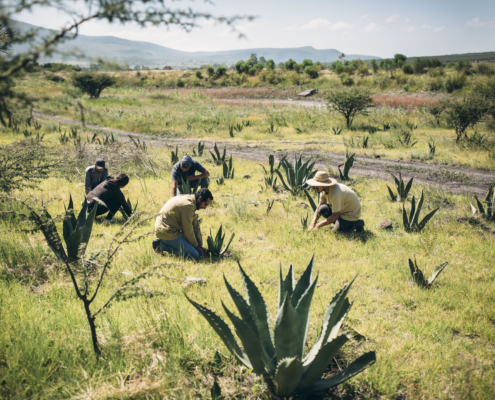 https://regenerationinternational.org/wp-content/uploads/5M7A2661-scaled.jpg
1707
2560
paco
https://regenerationinternational.org/wp-content/uploads/2018/10/RI-Logo-New.png
paco2024-02-13 15:15:022024-02-13 15:19:40Regenerating Nature-based Systems – The Solution to Cooling the Climate
https://regenerationinternational.org/wp-content/uploads/5M7A2661-scaled.jpg
1707
2560
paco
https://regenerationinternational.org/wp-content/uploads/2018/10/RI-Logo-New.png
paco2024-02-13 15:15:022024-02-13 15:19:40Regenerating Nature-based Systems – The Solution to Cooling the Climate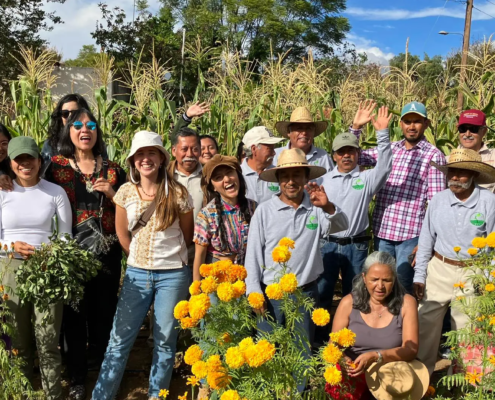 https://regenerationinternational.org/wp-content/uploads/VONL0-e1707410380152.webp
1061
2048
paco
https://regenerationinternational.org/wp-content/uploads/2018/10/RI-Logo-New.png
paco2024-02-08 11:41:352024-02-08 11:41:35Monthly Newsletter – Vía Orgánica
https://regenerationinternational.org/wp-content/uploads/VONL0-e1707410380152.webp
1061
2048
paco
https://regenerationinternational.org/wp-content/uploads/2018/10/RI-Logo-New.png
paco2024-02-08 11:41:352024-02-08 11:41:35Monthly Newsletter – Vía Orgánica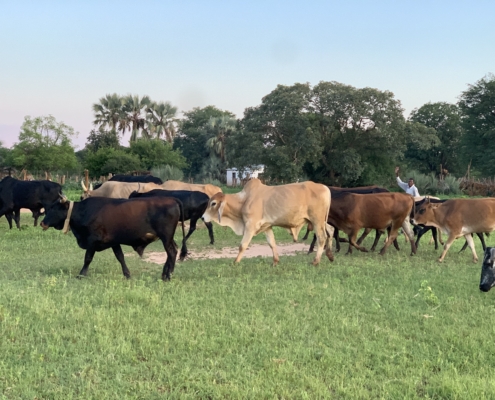 https://regenerationinternational.org/wp-content/uploads/IMG_1242-scaled.jpg
1920
2560
paco
https://regenerationinternational.org/wp-content/uploads/2018/10/RI-Logo-New.png
paco2024-02-07 12:13:102024-02-07 22:13:17Strong El Nino Affects Southern Africa: How Creating Landscape and Farmer Resiliency to Shocks is Going to Help us all Keep Moving
https://regenerationinternational.org/wp-content/uploads/IMG_1242-scaled.jpg
1920
2560
paco
https://regenerationinternational.org/wp-content/uploads/2018/10/RI-Logo-New.png
paco2024-02-07 12:13:102024-02-07 22:13:17Strong El Nino Affects Southern Africa: How Creating Landscape and Farmer Resiliency to Shocks is Going to Help us all Keep Moving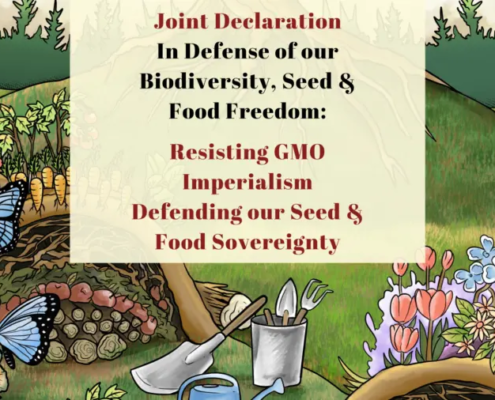 https://regenerationinternational.org/wp-content/uploads/Navdanya.webp
506
900
paco
https://regenerationinternational.org/wp-content/uploads/2018/10/RI-Logo-New.png
paco2024-02-03 13:08:232024-02-07 13:11:32Joint Declaration in Defense of our Biodiversity, Seed and Food Freedom – Resisting GMO Imperialism
https://regenerationinternational.org/wp-content/uploads/Navdanya.webp
506
900
paco
https://regenerationinternational.org/wp-content/uploads/2018/10/RI-Logo-New.png
paco2024-02-03 13:08:232024-02-07 13:11:32Joint Declaration in Defense of our Biodiversity, Seed and Food Freedom – Resisting GMO Imperialism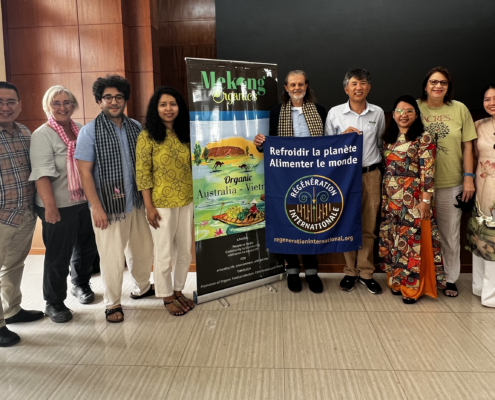 https://regenerationinternational.org/wp-content/uploads/IMG_6100-e1705417121676.png
1861
3877
paco
https://regenerationinternational.org/wp-content/uploads/2018/10/RI-Logo-New.png
paco2024-01-16 10:18:052024-01-25 10:14:29Mekong Organics brings Regeneration International to Dông Tháp Province, Mekong Delta, Southern Vietnam
https://regenerationinternational.org/wp-content/uploads/IMG_6100-e1705417121676.png
1861
3877
paco
https://regenerationinternational.org/wp-content/uploads/2018/10/RI-Logo-New.png
paco2024-01-16 10:18:052024-01-25 10:14:29Mekong Organics brings Regeneration International to Dông Tháp Province, Mekong Delta, Southern Vietnam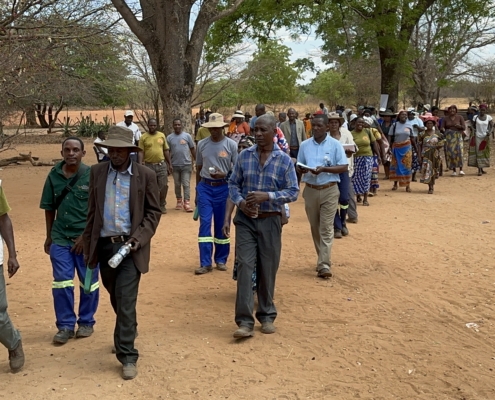 https://regenerationinternational.org/wp-content/uploads/iimage_123650291-scaled.jpg
1440
2560
paco
https://regenerationinternational.org/wp-content/uploads/2018/10/RI-Logo-New.png
paco2024-01-12 13:42:392024-01-12 13:42:39A Brief Reflection on Year 2023: Regeneration International Africa
https://regenerationinternational.org/wp-content/uploads/iimage_123650291-scaled.jpg
1440
2560
paco
https://regenerationinternational.org/wp-content/uploads/2018/10/RI-Logo-New.png
paco2024-01-12 13:42:392024-01-12 13:42:39A Brief Reflection on Year 2023: Regeneration International Africa 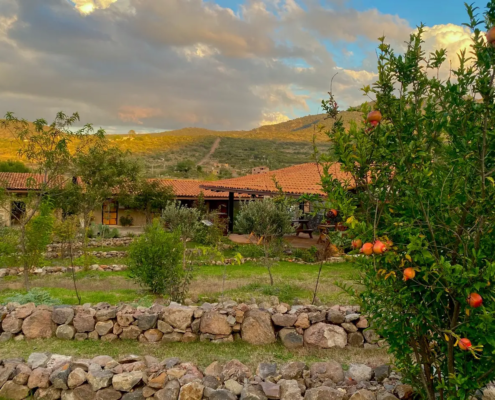 https://regenerationinternational.org/wp-content/uploads/VO-NL-00-2024.webp
960
1280
paco
https://regenerationinternational.org/wp-content/uploads/2018/10/RI-Logo-New.png
paco2024-01-03 11:03:382024-01-03 22:07:15Monthly Newsletter – Vía Orgánica
https://regenerationinternational.org/wp-content/uploads/VO-NL-00-2024.webp
960
1280
paco
https://regenerationinternational.org/wp-content/uploads/2018/10/RI-Logo-New.png
paco2024-01-03 11:03:382024-01-03 22:07:15Monthly Newsletter – Vía Orgánica https://regenerationinternational.org/wp-content/uploads/RA2-scaled.jpeg
1441
2560
paco
https://regenerationinternational.org/wp-content/uploads/2018/10/RI-Logo-New.png
paco2023-12-22 09:16:252024-01-01 22:15:10The Definition of Regenerative Agriculture
https://regenerationinternational.org/wp-content/uploads/RA2-scaled.jpeg
1441
2560
paco
https://regenerationinternational.org/wp-content/uploads/2018/10/RI-Logo-New.png
paco2023-12-22 09:16:252024-01-01 22:15:10The Definition of Regenerative Agriculture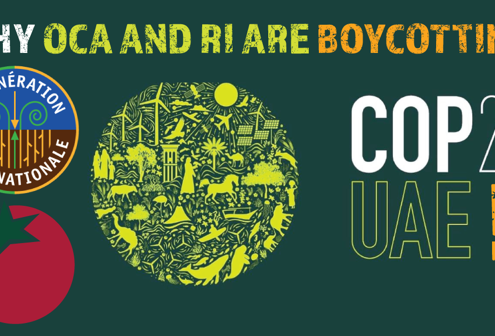 https://regenerationinternational.org/wp-content/uploads/whyboycott.png
336
640
paco
https://regenerationinternational.org/wp-content/uploads/2018/10/RI-Logo-New.png
paco2023-11-20 09:00:072023-11-22 12:21:10Why We Are Boycotting COP28
https://regenerationinternational.org/wp-content/uploads/whyboycott.png
336
640
paco
https://regenerationinternational.org/wp-content/uploads/2018/10/RI-Logo-New.png
paco2023-11-20 09:00:072023-11-22 12:21:10Why We Are Boycotting COP28 https://regenerationinternational.org/wp-content/uploads/agribusiness-scaled.jpeg
1707
2560
Regeneration International
https://regenerationinternational.org/wp-content/uploads/2018/10/RI-Logo-New.png
Regeneration International2023-10-18 08:00:202023-10-18 09:27:57Joint Statement Rebutting Distorted Media Lies About Sri Lanka’s Organic Pathway
https://regenerationinternational.org/wp-content/uploads/agribusiness-scaled.jpeg
1707
2560
Regeneration International
https://regenerationinternational.org/wp-content/uploads/2018/10/RI-Logo-New.png
Regeneration International2023-10-18 08:00:202023-10-18 09:27:57Joint Statement Rebutting Distorted Media Lies About Sri Lanka’s Organic Pathway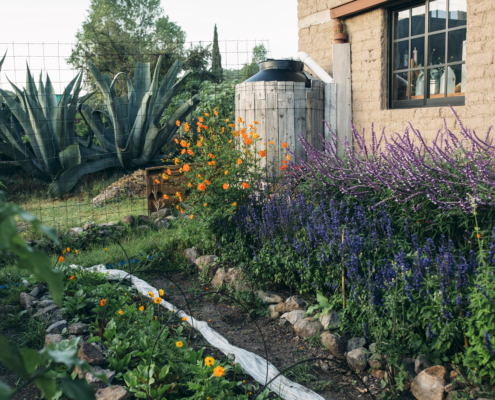 https://regenerationinternational.org/wp-content/uploads/5M7A8542-1-scaled.jpg
1707
2560
paco
https://regenerationinternational.org/wp-content/uploads/2018/10/RI-Logo-New.png
paco2023-10-05 09:29:022023-10-18 14:46:04Monthly Newsletter – Vía Orgánica
https://regenerationinternational.org/wp-content/uploads/5M7A8542-1-scaled.jpg
1707
2560
paco
https://regenerationinternational.org/wp-content/uploads/2018/10/RI-Logo-New.png
paco2023-10-05 09:29:022023-10-18 14:46:04Monthly Newsletter – Vía Orgánica