
The grassroots are rising. That was our founder Ronnie Cummins' call to action, and it is the heartbeat of this year's People's Food Summit. Ronnie, the co-founder of Regeneration International, wrote Grassroots Rising, a blueprint for building a global regeneration movement rooted in farmer innovation, consumer activism, and the conviction that the solution to our planet's greatest challenges lies right beneath our feet. Six years after its publication, that vision is truer than ever.
On October 16, 2026, farmers, activists, researchers, and communities from every continent gather for 24 hours to share the regenerative practices, the farmer innovations, and the grassroots movements quietly healing soil, water, and communities around the world. Join us for this year's People's Food Summit to celebrate Grassroots Rising.
The People's Food Summit will stream live on YouTube and Facebook. Click the links below on October 16th to joint the Summit, and join our mailing list to receive updates and reminders in your inbox!
*Streaming Schedule*
(Times are subject to change)
Session #1 - Asia Pacific (GMT+12)
Local Time: Tokyo (2pm) — Mumbai (10:30am) — London (6am) — Bogotá (12am) — Chicago (12am)
Session #2 - Europe (GMT+11)
Local Time: London (12:00pm) — Tokyo (8:00pm) — Mumbai (4:30pm) — Bogotá (6:00am) — Chicago (6:00am)
Session #3 - Africa (GMT+3)
Local Time: Nairobi (5:00pm) — Tokyo (11:00pm) — Mumbai (7:30pm) — London (3:00pm) — Bogotá (9:00am) — Chicago (9:00am)
Session #4 - North America (GMT-5)
Local Time: Chicago (1:30pm) — Tokyo (3:30am) — Mumbai (12:00am) — London (7:30pm) — Bogotá (1:30pm)
Session #5 - Latin America (GMT-6)
Local Time: Mexico City (6:00pm) — Tokyo (9:00am) — Mumbai (5:30am) — London (1:00am) — Bogotá (7:00pm) — Chicago (7:00pm)
SPEAKER LINEUP
ASIA PACIFIC

Karen Mapusua
IFOAM Pacific - Fiji
The New Structure of IFOAM-Organics International
Karen discusses the new governance structure, which was overwhelmingly approved by the members. This is the first major change to IFOAM-Organics International in 50 years and reflects the growth, representation, and needs of the international organics sector. Link to Bio

Carolyn Suggate
ORICoop Founder and Director - Australia
Local Organic Certification
Carolyn and Greg discuss Organic and Regenerative Investment Coop’s (ORICoop) latest venture, a small-farm certification scheme based on PGS principles and the domestic Australian Standard for Organic and Biodynamic Products. Link to Bio

Greg Paynter
ORICoop Director - Australia
Local Organic Certification
A keen advocate since 1990, an experienced practitioner, certification specialist, extension officer, and researcher in the public and private sectors within the organic ecosystem, previously a broad-acre agriculturist in the conventional realm. Currently assisting in the development of the Eco-Credit program and working on the development of organic fertilizers from mining offal. Driven by what I believe organics has to offer humanity while preserving nature’s capacity. Link to Bio
Pennie Scott
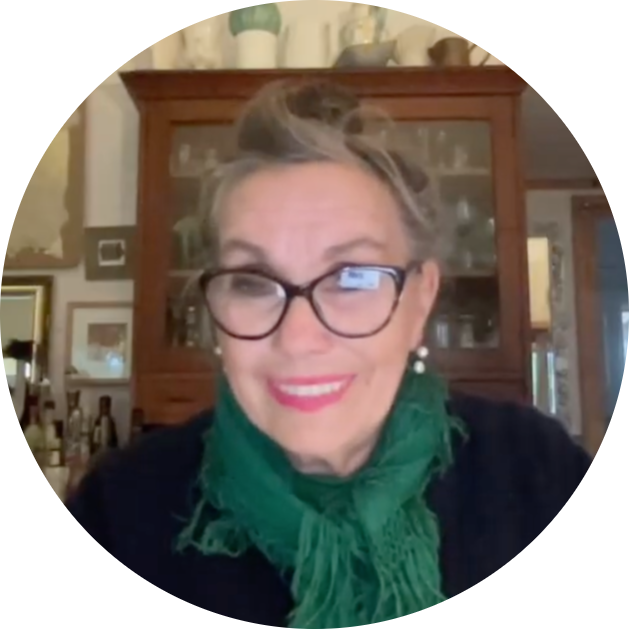
ORICoop - Australia
The SLOW Movement - Slow. Local. Organic. Wholistic.
Pennie, as a Director of ORICoop, is deeply involved in launching their SLOW movement - Slow. Local. Organic. Wholistic. - to help people find their food tribes in their local areas and, metaphorically and literally, grow their local food economies and, therefore, food security. She discusses this with Carolyn Suggate, another ORICoop director, about how they are scaling up this initiative and what they intend as the outcomes. Link to Bio
Cathy Briant
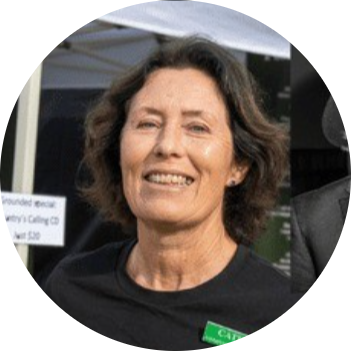
Regenerative Farmer/Musician - Australia
An Album of Regenerative Songs
Cathy is a regenerative farmer in Victoria who has, in conjunction with a professional Melbourne musician, written an album of songs about regenerative farming. Dr. André Leu and her discuss how and why she did this and listen to one of the songs that features a video of her regenerative agriculture activities on her farm. Link to Bio

Neils Olsen
SOILKEE - Australia
SOILKEE's Benefits
Neils discusses the multiple benefits of his system of planting annual crops into pastures without the need to kill the pasture with herbicides or by plowing, and presents data showing lower production costs, significant increases in crop production, and farm profitability. Link to Bio
Hamish Hunt
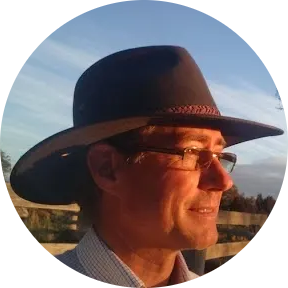
The Impossible Dairy - Australia
The Impossible Dairy
Hamish and his family have built a Jersey herd to produce a Paddock-to-Plate, single-origin, artisanal dairy product (milk, yogurt, cream, and cheese). They have demonstrated they can maintain a herd of 50 cows on 40 ha (100 acres) in their locality by improving soil health and increasing water infiltration through Holistic Managed Grazing and the Soilkee pasture renovator. They are beginning to build infrastructure to process their milk into artisanal dairy products. Link to Bio

Dr. Vandana Shiva
Navdanya International - India
The Nature of Nature and Slow Living
Vandana discusses her two latest books - The Nature of Nature and Slow Living.
Vandana and André discuss the multiple issues she raises in her books and their critical importance to regenerative agriculture, farmers, the environment, society at large and the whole planet. Link to Bio
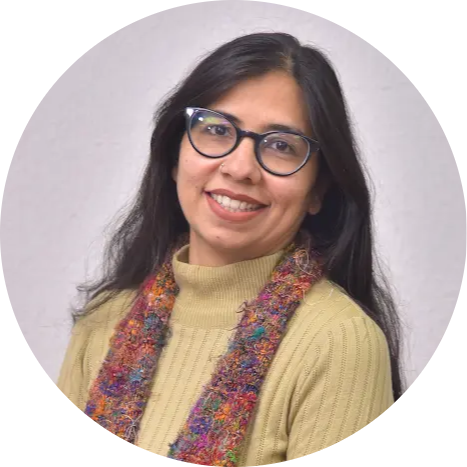
Sumeet Sandhu
RE:Generating Panjab - India
RE:Generating Panjab
Sumeet explains the importance of the current project. RE:Generating Panjab is building a living model of bioregional regeneration—where ecological restoration, food systems, culture and community leadership evolve together. Working in partnership with government institutions and a growing coalition of farmers, scientists, educators and civil society, Sumeet is leading the development of landscape-scale initiatives that restore soil health, strengthen local food economies and cultivate the next generation of ecological leadership by engaging women, youth and schools as catalysts for change. Link to Bio
EUROPE
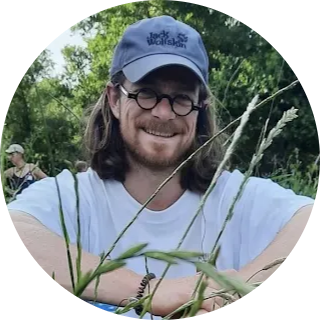
Simon Kraemer
EARA - Germany
A Common Set of Benchmarks for Regenerative Standards
Simon explains that the project, initiated by the European Alliance for Regenerative Agriculture, aims to develop a common set of benchmarks for regenerative standards to counter greenwashing by Big Ag corporations. Simon and André discuss the multiple issues involved, including how to avoid the pitfalls of organic standards, which have alienated the majority of the world’s farmers, while still ensuring credibility. Link to Bio

Nick Viney
EARA & Rewilding Futures - UK
Restoring Beauty and Abundance: The Resurrection of the Small Mixed Farm
Nick will guide us through the return of beauty and abundance to our landscapes, using her own live artwork as the lens. Drawing on over 30 years of blending art and regenerative farming on Dartmoor, she makes the case for the small mixed farm as one of our most powerful tools for restoring complexity and life to the land. Her conversation is rooted in feminine principles, a belief in kinder, nature-based solutions, and the conviction that imagination itself is an act of regeneration. Link to Bio.

Paul Van Mele
Access Agriculture - Belgium
Access Agriculture Training Videos for Farmers
Paul discusses the scope of Access Agriculture, a nonprofit organization that supports organic farming and agroecology.
They enable global and local access to high-quality training videos in local languages. They have 6,476 agroecology videos in 111 languages. These high-quality videos are freely available and feature farmers and farming methods in Africa, Asia, and Latin America. Link to Bio
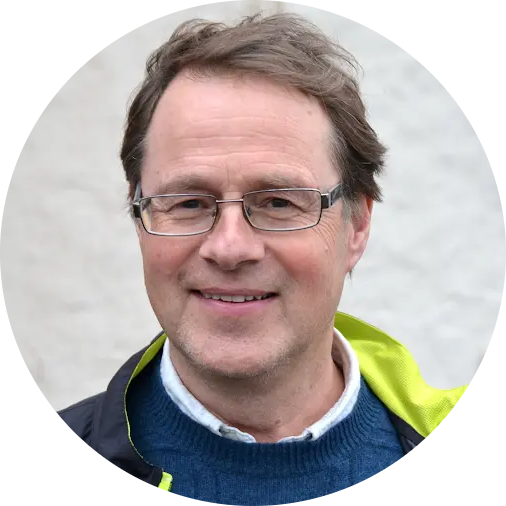
Jostein Hertwig
BERAS International Foundation - Sweden
Organic District Empowering People and Communities
Jostein discusses the numerous benefits of how the Organic District empowers people and their communities to be agents of change in delivering healthy nature-based food systems.
AFRICA
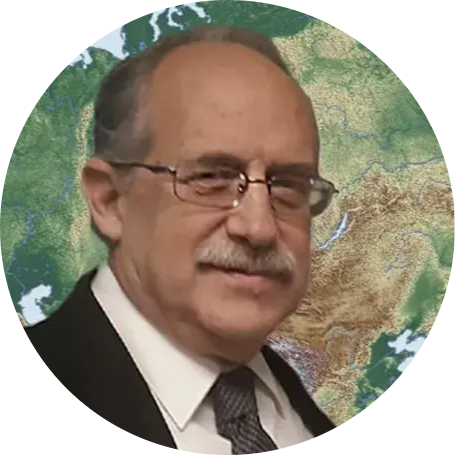
Roland Bunch
- Global
Using Covercrops to Build Fertility and Resist Droughts
Roland discusses the use of plants that fertilize the soil, control weeds, and reduce the impact of droughts, now called “green manure/cover crops.” He provides examples from his decades of experience in Africa, Asia, and Latin America. He describes how these simple strategies, when implemented, increase yields, help farmers move out of hunger and poverty, improve soil organic matter, control weeds, diseases, and pests, and increase farmers’ income. Link to Bio

Abena Offeh-Gyimah
The Beela Project - Ghana
Farmer Movements and Seed Systems Advocacy in Ghana
Abena takes us through a journey of their work with Trax Ghana on strengthening local and indigenous seed and food systems through organised advocacy strategies. In this talk, she gives us a glimpse of what farmers in West Africa put into influencing policy, building movements, and defending the seed systems that communities depend on. Link to Bio
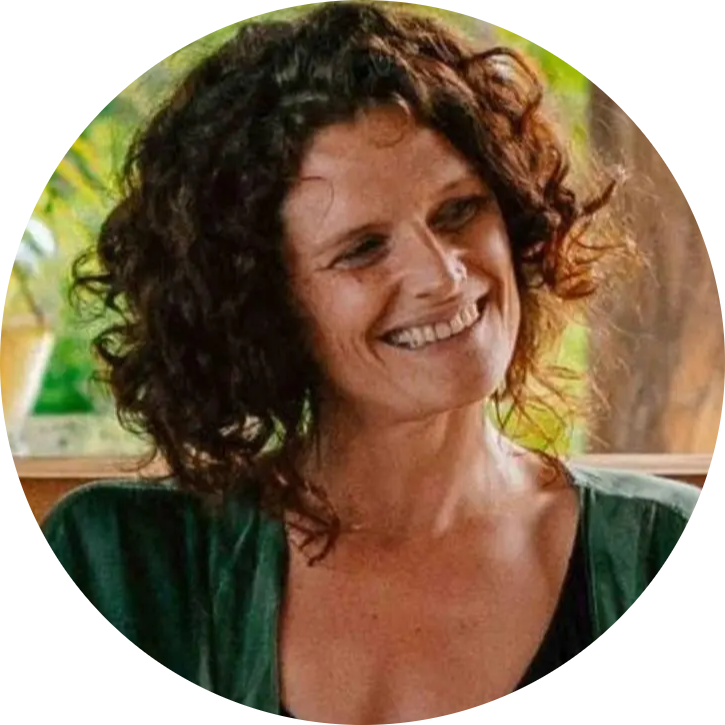
Aude Peronne
Grassroots Economics Foundation - Kenya/France
Ecosystem Stewardship & Restoration / Communities Development & Grassroots Systems Coordination
Aude draws on 20 years of permaculture and community stewardship work to explore what long-term, grassroots, people-led land restoration looks like in practice. From her model farm in Kiriba village, Kenya, she shares how rooting restoration in local traditions and collective coordination creates lasting change. Link to Bio.
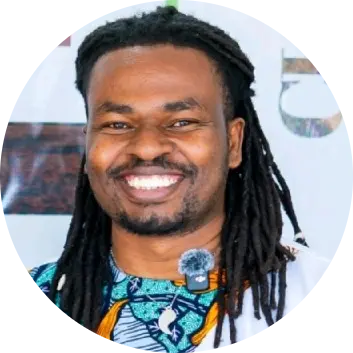
Kaluki Paul Mutuku
EarthNow Media - Kenya
Meaningfully Engaging Youth in Agroecological Advocacy; Storytelling
Paul brings his work as a climate advocate and digital storyteller to explore what authentic, youth-led climate narratives look like across Africa. From his campaign work stopping a coal plant in Lamu to founding Earth Now Media, he shares how nature-based solutions, reforestation and food systems transformation are reshaping the continent’s environmental future. Link to Bio
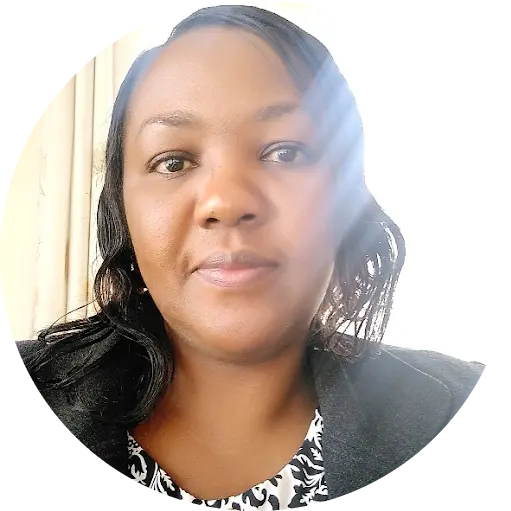
Dr. Carol Munini
World Vision - Kenya
Implementing FMNR and Scaling up Regeneration
Carol brings her expertise in Farmer-Managed Natural Regeneration to explore how communities across Kenya are restoring ecosystems from the ground up. She speaks to the deep connections between healthy land, food security and public health, and what it truly takes to scale regenerative practice nationwide. Link to Bio
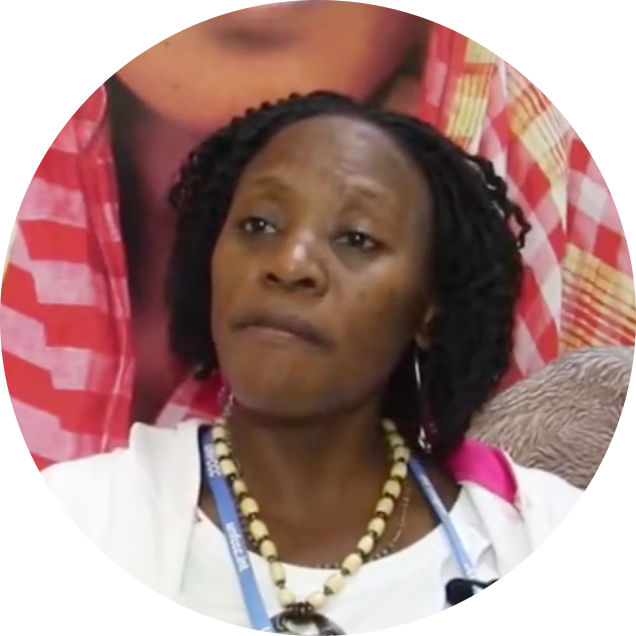
Julie Matovu Nakalanda
Farmer, NOFA - Uganda
Participatory Guarantee Systems for Small Scale Farmers
Julie shares her journey as an organic farmer, researcher and PGS pioneer near Kampala, exploring how community-led certification systems can connect smallholder farmers to markets. She reflects on the role of women as leaders in building sustainable, locally rooted food systems in Uganda and East Africa.
NORTH AMERICA
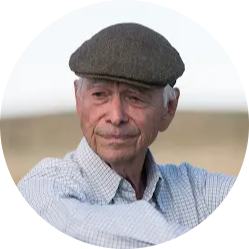
Allan Savory
UnSavory - Zimbabwe
Unsavory - Allan’s Autobiography
Allan discusses his recently published autobiography, Unsavory. He details the key events in his life that led to the development of Holistic Management, which has resulted in the most fundamental changes in grazing practices and the regeneration of millions of acres around the world on every continent. Link to Bio
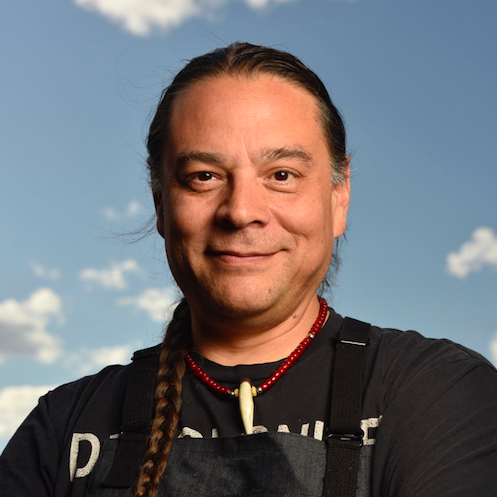
Sean Sherman
The Sioux Chef / NATIFS (North American Traditional Indigenous Food Systems) / Indígena by Owamni - USA
Indigenous Foodways: A Vision for Food Sovereignty Across North America
Sean Sherman is an Oglala Lakota chef, author, and activist whose work is reclaiming Indigenous food systems and making the case that they hold some of the most important answers for the future of food on this planet. He is the founder of The Sioux Chef and NATIFS, and the force behind Indígena by Owamni, which opened at the Guthrie Theater in Minneapolis in June 2026. What began as a single restaurant has grown into a movement, NATIFS now channels $700,000 a year directly to Indigenous producers, is expanding the Indigenous Food Lab to Montana and Alaska, and is working to bring Indigenous food into school lunch programs, hospitals, and community centers across North America. His latest book, Turtle Island: Foods and Traditions of the Indigenous Peoples of North America, published November 2025, has been celebrated as one of the best cookbooks of the year.
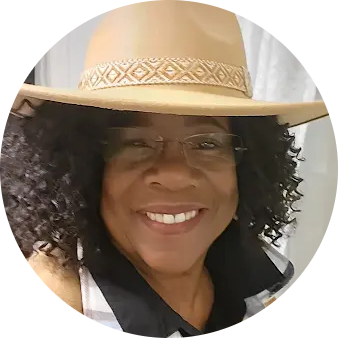
Dr. JohnElla Holmes
Kansas Black Farmers Association - USA
The Wisdom of Black Farmers: Nicodemus, Kansas, Settled By Formerly Enslaved People During Reconstruction Is a Model for Resilient Farming and Local Food Systems
Nicodemus was settled by Dr. JohnElla Holmes’ great-great-grandparents in 1877, along with 300 other freed enslaved people. Holme’s ancestors had come from the Kentucky tobacco plantation of the family of Richard M. Johnson, who was vice president under President Martin Van Buren. Johnson was unique among the many men of his time who had sex with the women they enslaved in that he treated Julia Chinn as his wife. Even more unusual than that, Chinn was involved in Johnson’s political career and she managed his finances and estate. Their daughters married white men and he gave them large farms as dowries, but after his death they were blocked by his brothers from inheriting.
These original settlers of Nicodemus were homesteaders and did indeed each receive 160 acres. Within two years of its establishment, Nicodemus saw an influx of 700 Black settlers.
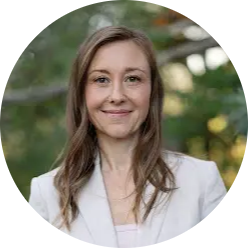
Rebecca Tickell
Groundswell Film - USA
Grassroots Rising on Screen: Bringing the Regenerative Movement to a Global Audience
In this People's Food Summit conversation, Rebecca reflects on a decade of bringing the regenerative movement to a global mainstream audience, what that journey has revealed about the power of storytelling, and why the grassroots rising she has documented on five continents gives her hope for what comes next.
Ryan Zinn
Dr. Bronners - USA
Building and Defending a Regenerative Organic and Fair Trade Supply Chain
Dr. Bronner’s commitment to fair trade began in 1998 when the business set a 5:1 pay ratio, meaning top executives cannot earn more than five times the salary of the lowest-paid employee. Today, Dr. Bronner’s maintains a fair trade supply chain that involves 18,000 small-holder regenerative organic farmers who employ a variety of fertility enhancing, soil building, and carbon sequestering practices, including utilizing agroforestry and other biodiverse perennial systems; and keeping the soil covered with living roots in the ground year round, with cover crops, intercropping, crop rotation, and green manure. Link to Bio

Florence Reed
Mandela - Panama / Global
Mandela's Regenerative Agroecological Mission
Flo gives a presentation on her latest project, which supports regenerative agroecological smallholder family farmers in Panama and is funded primarily by the sale of the farmers’ produce. The project has increased farmers’ income through higher prices and yields, thanks to the extensive agronomic advice they receive. Flo and André discuss numerous other examples of these market-based systems worldwide and explain why they are the most successful in ensuring the profitability and viability of family farmers. Link to Bio.
Hannah Bernhardt
Medicine Creek Farm - USA
Transitioning Cropland to Permanent Pasture and Silvoculture in Minnesota
Celebrating ten years in 2026, Hannah Bernhardt’s farm is 160 acres of former hay fields being transitioned into permanent pasture and silvoculture. She practices intensive-management and holistic rotational grazing, moving her cattle and sheep to a fresh pasture daily to optimize animal health, soil health, and the health of her customers. In 2024 she received a Conservation Stewardship Program contract with the USDA Natural Resource Conservation Service. The program rewards farmers for their conservation practices (in her case, adaptive grazing) in exchange for continuing to implement additional conservation "enhancements" on their farm. Some of the enhancements she’s already completed include interseeding more pollinator friendly flowering legumes into her pastures and establishing a new one-acre native prairie pollinator planting. This year, she planted 1,250 hardwood tree seedlings to sequester carbon, provide habitat to birds and wildlife, and eventually provide shade for her livestock. To learn more about Hannah’s journey, listen to Alexis Baden-Mayer’s 2020 interview with her. Link to Bio
Tamara Deal
Deal Family Farms LLC - USA
Integrating Regenerative Agriculture Practices Into Row Crop Farming In Iowa
Tamara Deal, a sustainability ambassador with the Women, Food, and Agriculture Network, manages more than 1,100 acres. In this interview, Tammy shares her family’s 135-year agricultural legacy and her vision for long-term sustainability. She champions soil health and stewardship through no-till, cover crops, diverse crop rotations, and livestock integration. Link to Bio
Abbie Corse
Corse Farm Dairy - USA
Regenerative Organic Dairy Farming in Vermont with Intensive Grazing Management and Agroforestry
Abbie Corse manages Corse Farm Dairy on the 270-acre farm her family purchased in 1868. She produces milk for Organic Valley on ninety acres of permanent pasture for sixty cows that has been certified organic since 2008. Abbie is a sixth generation farmer who learned from her father Leon, Vermont’s first Dairy Grazing Master. The farm’s soil is very wet and acidic, with poor drainage, and there are many obstacles to farming with this type of soil, but the family has worked hard to overcome those by building organic matter through intensive grazing management. One of the innovations Abbie brought to the farm is integrating fruit trees into the pastures to better mitigate climate change, ensure thriving pollinator habitat, and provide shade and fodder for the cows she calls “our ladies.” Link to Bio
LATIN AMERICA
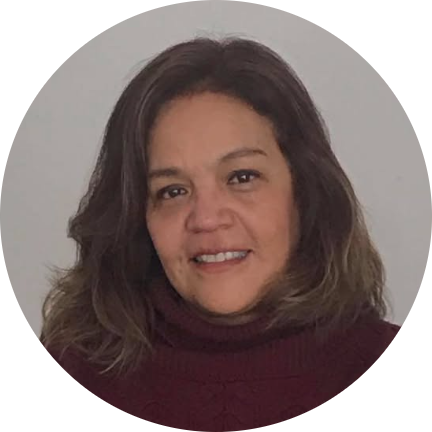
Patricia Flores
IFOAM Organics International - Global
Education and Knowledge Sharing, an Act of Generosity for a Better Future
As Senior Manager of the IFOAM Global Academy, Patricia Flores discusses how the Academy brings people together and creates opportunities to understand the complexities of our time and develop the solutions we need. Through knowledge-building, community engagement, and the expansion of agroecology and organic production, the Academy is shaping a more sustainable future. From her early work in Peru and Northern Argentina to the current opportunity and effort to lead the global academy in Asia and Africa, Patricia's talk embarks us in a journey of love, dedication, commitment and passion. Link to Bio.

Ernesto Méndez
University of Vermont / SOCLA - El Salvador
Agroecology Leading the Transformation for a Better Future
In his talk, Ernesto explores his life and learning of agroecology and participatory action research through his work in Central America with farmers. He discussed the importance of agroecology leading the movement for just and sustainable food systems, with a focus on agrifood systems and smallholder participation. He illustrates the importance of participatory action research (PAR) and transdisciplinary research approaches. Link to Bio.

Juan Pedro Borelli
Escuela de Regeneración-RUUTS-Ovis 21- Savory - Argentina
Escuela de Regeneración-RUUTS-Ovis 21- Savory
More information soon...


Jennifer Judith Chox Ixmatá
ASODI Nahualá - Guatemala
Respecting and Preserving the Traditional Foods of Guatemala’s Indigenous Cultures
Passionate about cultural management, education, and politics, Jennifer, the ASODI Project Coordinator and 2026 National Flower Farmer, speaks to us about the participation of Indigenous youth in Guatemala, particularly young women, who have learned to respect and preserve the traditional foods of Guatemala’s Indigenous cultures and to advocate for them in order to protect Guatemala’s Indigenous food sovereignty, rooted in the milpa system and maize. Link to Bio.
Yadira Montenegro
CAN UNITE- Unión de Cooperativas Agrarias Augusto César Sandino - Nicaragua
Cooperativism, Fair Supply Chains and Unpaid Work for Women
Going back to her initial organizing years in Nicaragua in coffee cooperatives, agronomist Yadira Montenegro dives into the collaborative work of CAN UNITE, the diversification of food production in orchards and in coffee plantations with agroecological practices, as well as strengthening the leadership of young people in coffee-growing communities. Link to Bio.

Darling Betsabe Campos Rayo
RIAC joven - Nicaragua
Identity and Community: Youth Participation in Rural Spaces
In her talk, Darling Rayo, representing the youth of the Union of Agricultural Cooperatives, Matagalpa-Nicaragua discusses the challenges of young people like herself being able to access markets and revitalizing their economies. Sharing memories of her childhood in a rural community , learning from her mother, Darling tells us a story of struggle, pride and happiness despite adversities.
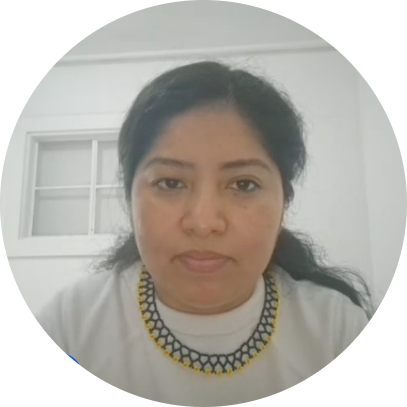
Shelley Cabrera
Ñuanchik Maronijei Noshaninka Network - Peru
Ancestral Knowledge in the Development of Nutritious and Culturally Significant Food
Shelley Cabrera is a young Indigenous Quechua lawyer from the Ayacucho region of Peru, with completed studies in Law who currently serves as the General Coordinator of the Ñuanchik Maronijei Noshaninka Network. In this talk, she highlights the importance of ancestral knowledge, particularly that of Peruvian women, in the development of highly nutritious and culturally significant dishes and beverages that have brought international recognition to Peruvian cuisine. However, these contributions often go unrecognized, while the media places greater emphasis on renowned chefs without acknowledging the vital role women have played.
She speaks about the contributions of her ancestors and Peru’s legacy to the world in the field of food, the protection of the commons—such as seeds and traditional foods—and the role of educated Indigenous youth in defending these rights. Link to Bio.

Alejandro Calvillo
El Poder del Consumidor / Alianza por la Salud Alimentaria - Mexico
Alejandro tells us about the challenges of defending food sovereignty from an informed and empowered consumer perspective. He details the obstacles to implementing the Federal Law on Adequate and Sustainable Food in the country and reflects on the conflicts of interest arising from the participation of transnational companies that produce ultra-processed foods and beverages in national public policy. Link to Bio.

Pepe Godoy
Colectivo por la autonomía - México
Pepe recounts his journey in defending cultural and gastronomic biodiversity, which began when he was a child committed to Indigenous communities. He shares the history of the Biodiversity Alliance, as well as its challenges and achievements in defending seeds, territories, ancestral foods, culture, and traditions rooted in the Mesoamerican milpa system. Link to Bio.
We would like to thank the McKnight Foundation for once again providing a generous grant to support and amplify the voices of small-scale farmers and food producers to spread the word about agroecology, permaculture, holistic grazing, agroforestry and working towards a more just, healthy, organic and regenerative food system through the People's Food Summit.
Video Highlights from Previous Years
People's Food Summit 2023, Africa - Precious Phiri, Chifundo Kokwa, SCOPE Malawi - Malawi, and Juliet Nangamba, Community Technology Development Trust (CTDT) - Zambia
People's Food Summit 2024, Asia-Pacific - Dr. André Leu, Regeneration International
People's Food Summit 2024, Europe - Sheila Darmos, Holistic Farmer and Simon Kramer, EARA Germany
People's Food Summit 2024, North America - Zen Honeycutt and Kelly Ryerson, Moms Across America
People's Food Summit 2023, Latin America - Ercelia Sahores, Regeneration International; Mercedes López, Vía Orgánica; Arturo Carilla, BAP