
 https://regenerationinternational.org/wp-content/uploads/2015/10/Agriculture_Soil_Soil_Image-1170x1170.jpg
1170
1170
Regeneration International
https://regenerationinternational.org/wp-content/uploads/2018/10/RI-Logo-New.png
Regeneration International2015-10-08 11:15:472015-10-16 14:20:20Emerging Land Use Practices Rapidly Increase Soil Organic Matter
https://regenerationinternational.org/wp-content/uploads/2015/10/Agriculture_Soil_Soil_Image-1170x1170.jpg
1170
1170
Regeneration International
https://regenerationinternational.org/wp-content/uploads/2018/10/RI-Logo-New.png
Regeneration International2015-10-08 11:15:472015-10-16 14:20:20Emerging Land Use Practices Rapidly Increase Soil Organic Matter
 https://regenerationinternational.org/wp-content/uploads/2015/10/5922367011_289d4abef9_o-1170x1170.jpg
1170
1170
Regeneration International
https://regenerationinternational.org/wp-content/uploads/2018/10/RI-Logo-New.png
Regeneration International2015-10-08 10:16:432016-05-24 16:06:42A National Food Policy for the 21st Century
 https://regenerationinternational.org/wp-content/uploads/2015/10/Screen-Shot-2015-10-07-at-10.23.15-PM-1170x604.png
604
1170
Katherine Paul
https://regenerationinternational.org/wp-content/uploads/2018/10/RI-Logo-New.png
Katherine Paul2015-10-07 22:21:392016-06-08 11:47:4575 Groups Sign Open Letter to Pope Francis Praising the Religious Leader for His Stance on Climate Change
 https://regenerationinternational.org/wp-content/uploads/2015/10/hqdefault5.jpg
360
480
Regeneration International
https://regenerationinternational.org/wp-content/uploads/2018/10/RI-Logo-New.png
Regeneration International2015-10-07 18:03:192015-10-21 17:25:17Popped Secret: The Mysterious Origin of Corn
 https://regenerationinternational.org/wp-content/uploads/2015/10/hqdefault4.jpg
360
480
Regeneration International
https://regenerationinternational.org/wp-content/uploads/2018/10/RI-Logo-New.png
Regeneration International2015-10-07 17:59:052015-10-21 17:27:06Grazing Cover Crops and Benefits for Livestock Operations – Gabe Brown
 https://regenerationinternational.org/wp-content/uploads/2015/10/hqdefault3.jpg
360
480
Regeneration International
https://regenerationinternational.org/wp-content/uploads/2018/10/RI-Logo-New.png
Regeneration International2015-10-07 17:55:072015-10-21 17:26:00Dr. Mercola Interviews Gabe Brown on Regenerative Land Management
 https://regenerationinternational.org/wp-content/uploads/2015/10/518258364_640.jpg
300
640
Regeneration International
https://regenerationinternational.org/wp-content/uploads/2018/10/RI-Logo-New.png
Regeneration International2015-10-07 17:49:592015-10-22 13:46:53Better Save Soil
 https://regenerationinternational.org/wp-content/uploads/2015/10/hqdefault2.jpg
360
480
Regeneration International
https://regenerationinternational.org/wp-content/uploads/2018/10/RI-Logo-New.png
Regeneration International2015-10-07 17:43:382015-10-22 14:03:41Soil Carbon: Putting Carbon back where it belongs: In the earth
 https://regenerationinternational.org/wp-content/uploads/2015/10/13091027843_3aaa7bb815_k-1170x878.jpg
878
1170
Regeneration International
https://regenerationinternational.org/wp-content/uploads/2018/10/RI-Logo-New.png
Regeneration International2015-10-07 15:19:442018-07-05 11:35:27Agroecology and the Right to Food
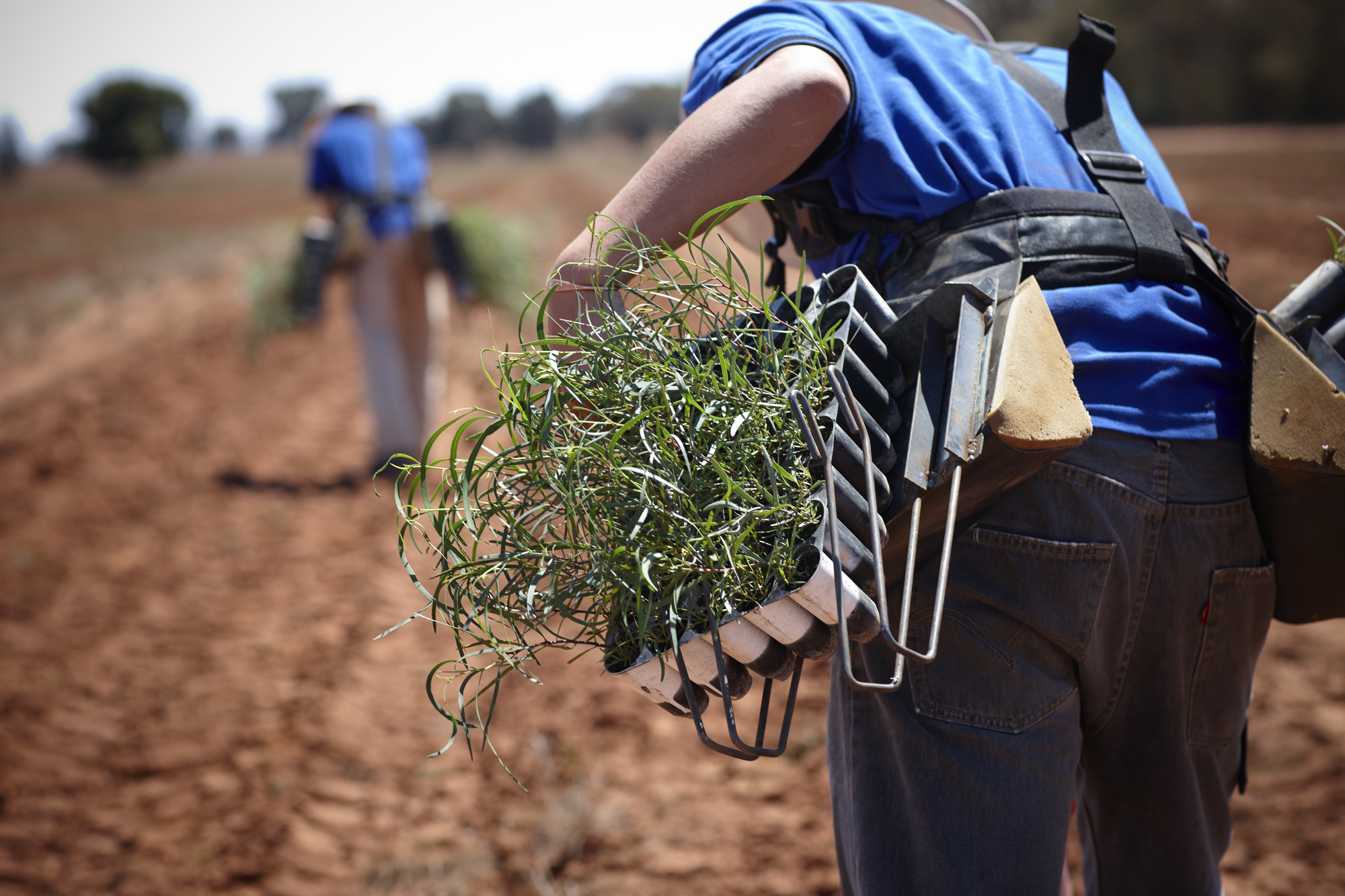 https://regenerationinternational.org/wp-content/uploads/2015/10/PlantingCrew.jpg-1170x780.jpg
780
1170
Regeneration International
https://regenerationinternational.org/wp-content/uploads/2018/10/RI-Logo-New.png
Regeneration International2015-10-07 12:25:152015-10-22 14:11:12Can Carbon Farming Make the Carbon Tax More Politically Palatable?
 https://regenerationinternational.org/wp-content/uploads/2015/10/1814203034_571421b342_o-1170x780.jpg
780
1170
Regeneration International
https://regenerationinternational.org/wp-content/uploads/2018/10/RI-Logo-New.png
Regeneration International2015-10-07 11:40:192015-10-22 14:17:13Terra Cognita
 https://regenerationinternational.org/wp-content/uploads/2015/10/7350704058_575bb3e3c5_o-1170x775.jpg
775
1170
Regeneration International
https://regenerationinternational.org/wp-content/uploads/2018/10/RI-Logo-New.png
Regeneration International2015-10-07 11:15:252018-07-05 11:37:59Family Farmers: Feeding the World, Caring for the Earth
 https://regenerationinternational.org/wp-content/uploads/2015/10/7608308258_a5b1fcc3d7_k-1170x803.jpg
803
1170
Regeneration International
https://regenerationinternational.org/wp-content/uploads/2018/10/RI-Logo-New.png
Regeneration International2015-10-07 11:07:082015-12-22 10:03:42Info Graphic: Family Farmers: Feeding the World, Caring for the Earth
 https://regenerationinternational.org/wp-content/uploads/2015/10/10665081134_a1d4538f69_k-1170x779.jpg
779
1170
Regeneration International
https://regenerationinternational.org/wp-content/uploads/2018/10/RI-Logo-New.png
Regeneration International2015-10-06 22:08:262015-10-22 14:24:33World Hunger: Ten Myths
 https://regenerationinternational.org/wp-content/uploads/2015/10/16378111034_2f39f828a2_k-1-1170x878.jpg
878
1170
Regeneration International
https://regenerationinternational.org/wp-content/uploads/2018/10/RI-Logo-New.png
Regeneration International2015-10-06 21:42:472018-07-05 11:43:12GHG Mitigation Potential of Different Grazing Strategies in the United States Southern Great Plains