 https://regenerationinternational.org/wp-content/uploads/reg-soil-copy-scaled-e1770090660366.jpeg
1300
2560
paco
https://regenerationinternational.org/wp-content/uploads/2018/10/RI-Logo-New.png
paco2026-08-05 16:13:262026-08-05 16:13:26From Soil to Gut: Why Your Gut Health Depends on the World Around You
https://regenerationinternational.org/wp-content/uploads/reg-soil-copy-scaled-e1770090660366.jpeg
1300
2560
paco
https://regenerationinternational.org/wp-content/uploads/2018/10/RI-Logo-New.png
paco2026-08-05 16:13:262026-08-05 16:13:26From Soil to Gut: Why Your Gut Health Depends on the World Around You
 https://regenerationinternational.org/wp-content/uploads/bigstock-Farmer-Holds-In-His-Hands-A-Wo-311667853-scaled-e1785961087695.jpg
1300
2556
paco
https://regenerationinternational.org/wp-content/uploads/2018/10/RI-Logo-New.png
paco2026-08-04 16:16:422026-08-05 16:18:30‘Kids Are Actually Eating the Food’: State Expands Lunch Program That Pairs Schools With Farms
 https://regenerationinternational.org/wp-content/uploads/soil-health-scaled-e1785960431579.jpeg
1300
2556
paco
https://regenerationinternational.org/wp-content/uploads/2018/10/RI-Logo-New.png
paco2026-08-03 16:03:502026-08-05 16:07:22‘One Health’: How the Microbiomes of Soil, Plants and the Human Gut Are Interconnected (Part II)
 https://regenerationinternational.org/wp-content/uploads/aurochs-scaled-e1785960068114.webp
1300
2560
paco
https://regenerationinternational.org/wp-content/uploads/2018/10/RI-Logo-New.png
paco2026-08-01 15:49:022026-08-05 16:02:19Prehistoric Aurochs Are Back From Extinction and Spreading Across Europe. And They Could Be Heading to the UK Sometime Soon…
 https://regenerationinternational.org/wp-content/uploads/2016/08/17011651112_a19f3de058_o-1170x658.jpg
658
1170
paco
https://regenerationinternational.org/wp-content/uploads/2018/10/RI-Logo-New.png
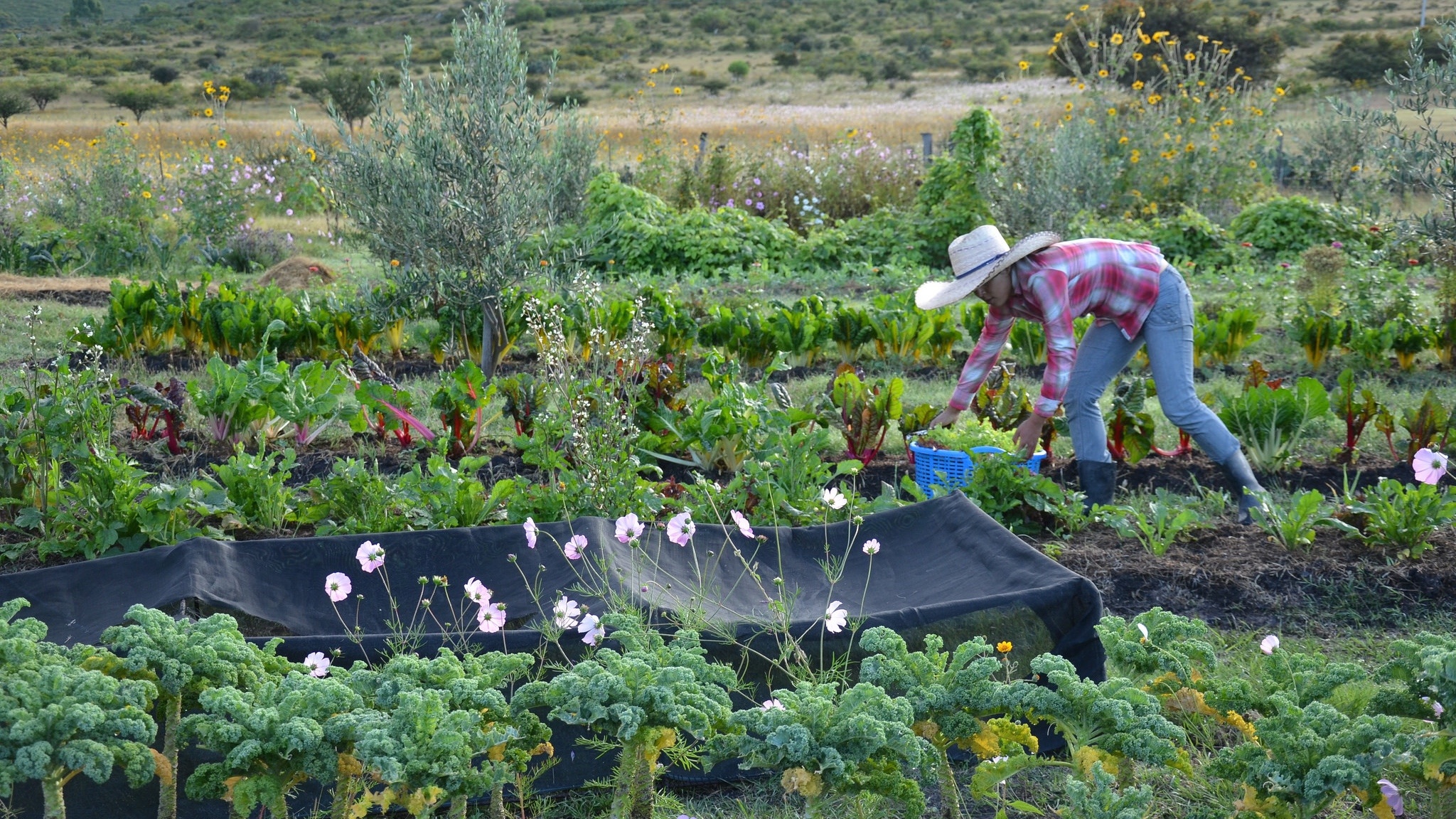
paco2026-08-01 09:59:062026-08-05 16:08:13Rodale Institute Breaks Ground On Ambitious New Center For Regenerative Organic Innovation, Part Of $139 Million Farmland Transition Campaign
 https://regenerationinternational.org/wp-content/uploads/agricult-1-scaled-e1775321520399.jpeg
1300
2560
paco
https://regenerationinternational.org/wp-content/uploads/2018/10/RI-Logo-New.png
paco2026-07-30 12:18:342026-07-30 12:21:27Episode #286 Amy Westervelt: Think Tanks, Greenwashing, + The War On Reality
 https://regenerationinternational.org/wp-content/uploads/bees-scaled-e1785426845804.webp
1300
2560
paco
https://regenerationinternational.org/wp-content/uploads/2018/10/RI-Logo-New.png
paco2026-07-29 11:57:212026-07-30 11:57:39After This Berkeley Beekeeper’s Colony Collapsed, She Wrote the Book on What’s Plaguing the Bees
 https://regenerationinternational.org/wp-content/uploads/bigstock-Cabinda-angola-Jun-241195444-scaled.jpg
1707
2560
paco
https://regenerationinternational.org/wp-content/uploads/2018/10/RI-Logo-New.png
paco2026-07-27 12:05:312026-07-30 12:12:38Five Counties Roll Out Agroecology Policies to Boost Climate Resilience
 https://regenerationinternational.org/wp-content/uploads/2015/09/50_asian_experiences_sheep-1170x762.jpg
762
1170
paco
https://regenerationinternational.org/wp-content/uploads/2018/10/RI-Logo-New.png
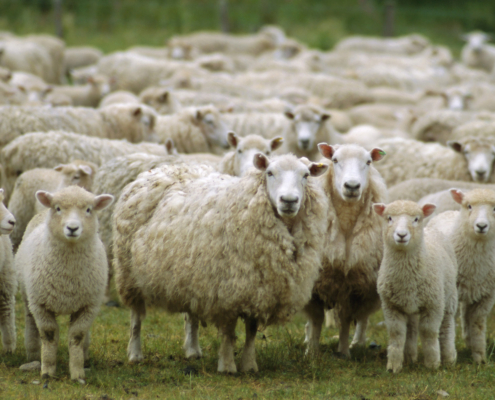
paco2026-07-26 11:48:082026-07-30 11:59:20In Wildfire-Ravaged Spain, Farmers Revive Native Sheep and Cows to Graze on Flammable Plants
 https://regenerationinternational.org/wp-content/uploads/agricult-scaled-e1769023028605.jpeg
1300
2560
paco
https://regenerationinternational.org/wp-content/uploads/2018/10/RI-Logo-New.png
paco2026-07-24 15:35:312026-07-24 15:35:31Nutrients in Our Food Are Declining. Can Regenerative Agriculture Save It?
 https://regenerationinternational.org/wp-content/uploads/2016/03/Summit-Seed-Library-Large-1-1170x895.jpg
895
1170
paco
https://regenerationinternational.org/wp-content/uploads/2018/10/RI-Logo-New.png
paco2026-07-23 11:51:182026-07-24 11:58:28Saving Vegetable Seeds
 https://regenerationinternational.org/wp-content/uploads/bigstock-Young-Plant-Seed-Growing-Of-Sp-401586116-scaled-e1784817464666.jpg
1300
2560
paco
https://regenerationinternational.org/wp-content/uploads/2018/10/RI-Logo-New.png
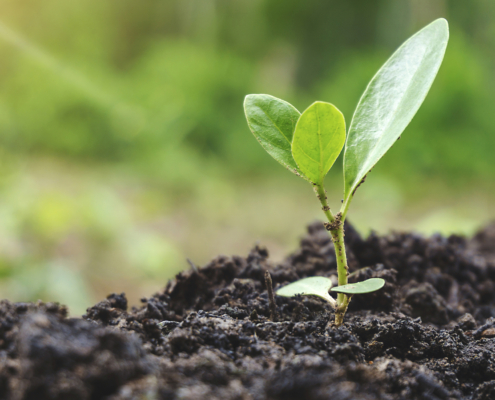
paco2026-07-22 10:33:112026-07-23 10:38:01Formative Assessment of Soil Projects
 https://regenerationinternational.org/wp-content/uploads/poverty-scaled-e1784641726526.webp
1300
2560
paco
https://regenerationinternational.org/wp-content/uploads/2018/10/RI-Logo-New.png
paco2026-07-21 09:50:282026-07-21 09:50:28Healthy Diet Too Expensive for One in Three People Globally, UN Report Finds
 https://regenerationinternational.org/wp-content/uploads/2016/07/indian-forest-1200x675-1170x658.jpg
658
1170
paco
https://regenerationinternational.org/wp-content/uploads/2018/10/RI-Logo-New.png
paco2026-07-20 12:07:372026-07-20 12:07:37‘What Fertiliser Crisis?’ Meet India’s Pioneer Movement Paving the Path to Chemical-Free Farming
 https://regenerationinternational.org/wp-content/uploads/Screen-Shot-2025-08-15-at-23.33.42.png
298
776
paco
https://regenerationinternational.org/wp-content/uploads/2018/10/RI-Logo-New.png
paco2026-07-18 11:57:072026-07-20 12:00:47Can Agroecology Feed the World? Professor Miguel Altieri on the Future of Food Systems